Absorption chillers
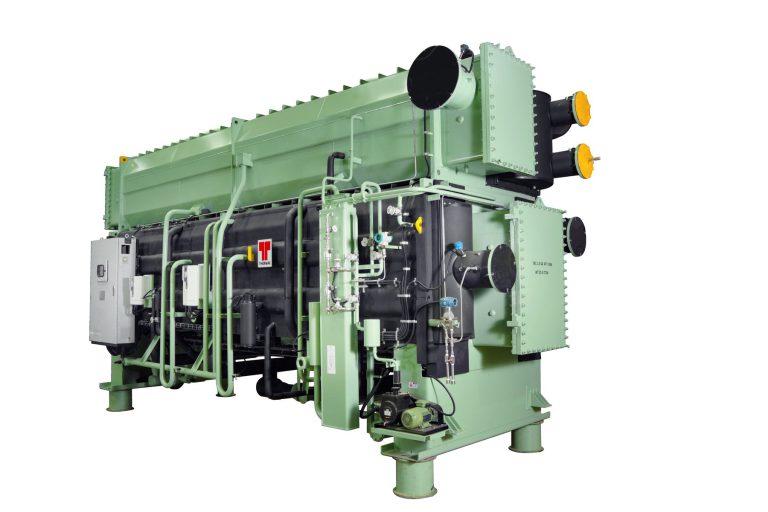
Chillers that produce chilled water from heat sources: hot water, steam, gas or exhaust gas, from 17.6 kW to over 8 MW.
- Cooling capacity
- 17,6 – 8.122 kW
- Heating capacity
- 21 – 105 kW
- Manufacturers
- Yazaki, Thermax, and Robur
Application
Biomass is one of the most established renewable energy sources for producing thermal energy in buildings and industrial facilities. Combined with absorption chillers, it turns the heat generated by biomass boilers into chilled water for air conditioning or industrial processes, offering a high-efficiency solution with low electricity consumption and low CO2 emissions.
In detail
Biomass is one of the most established renewable energy sources for producing thermal energy in buildings and industrial facilities. Combined with absorption chillers, it turns the heat generated by biomass boilers into chilled water for air conditioning or industrial processes, offering a high-efficiency solution with low electricity consumption and low CO2 emissions.
This technology extends the use of biomass installations throughout the year, using the available thermal energy not only for heating and domestic hot water but also to meet cooling needs in the summer months.
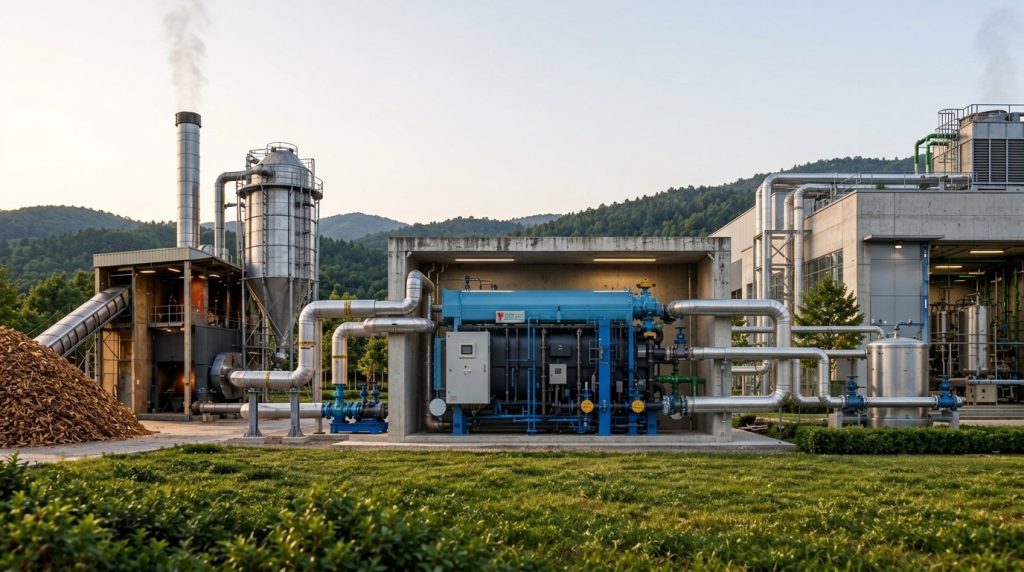
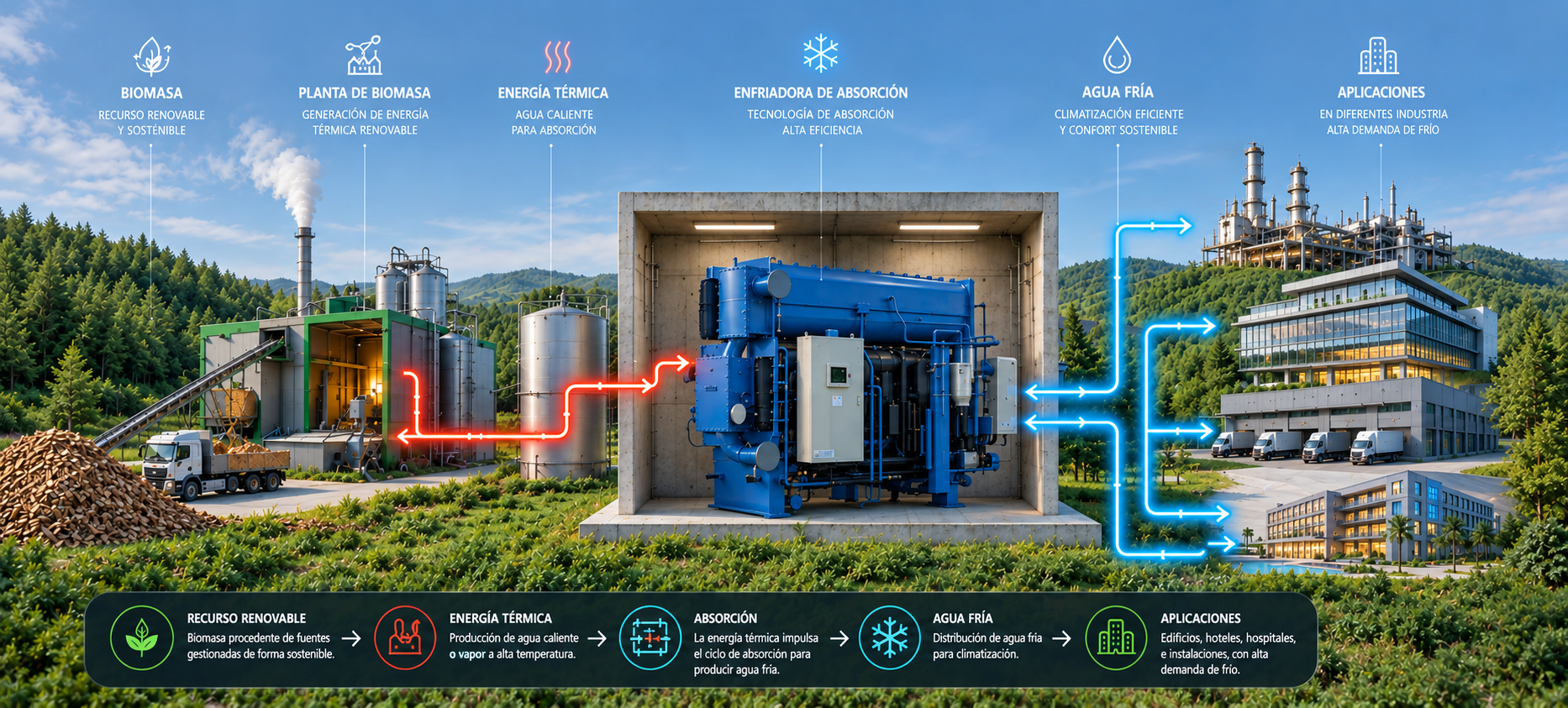
The installation includes a biomass boiler that produces hot water or steam, depending on the technology selected. This thermal energy feeds an absorption chiller, where the lithium bromide and water cycle (LiBr – H2O) turns heat into cooling, producing chilled water for air conditioning or process cooling systems.
When the installation works with hot water, normally between 70 and 95ºC, single-effect absorption chillers are used. In industrial applications where steam is available, double-effect chillers achieve higher efficiencies and greater cooling capacities.
The result is efficient chilled water production with very low electricity consumption, practically limited to the pumps, fans and auxiliary components of the installation.
One of the main benefits of this solution is that it increases the annual operating hours of the biomass installation, improving the return on investment and using the same thermal infrastructure to produce heating, domestic hot water and cooling.
The installation must be sized taking into account the thermal energy available, the cooling and heating demand profile and the planned operating strategy, and it can be combined with conventional HVAC systems to optimise overall energy efficiency.
The high thermal inertia of biomass installations also helps absorption chillers to run steadily, supporting high efficiencies and a long service life for the equipment.
Biomass-driven cooling is particularly suitable for:
For installations supplied with hot water, YAZAKI WFC SC absorption chillers and THERMAX single-effect chillers are the most suitable solution for turning the thermal energy from biomass boilers into high-efficiency chilled water.
When steam is available as the energy source, THERMAX double-effect chillers achieve greater cooling capacities and higher efficiency, and are particularly suitable for large industrial applications.
Equipment
Chillers that produce chilled water from heat sources: hot water, steam, gas or exhaust gas, from 17.6 kW to over 8 MW.
Manufacturers
Projects
Tell us what energy you have available and what you need to produce. We'll propose the right technology and equipment.