
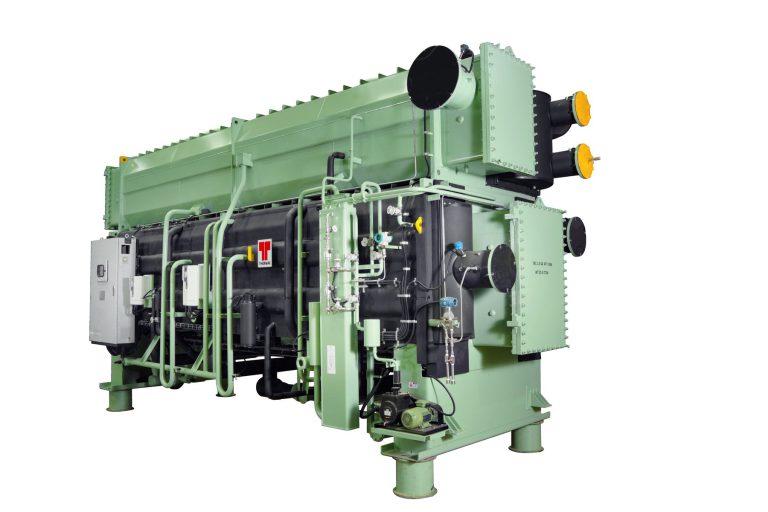
Absorption chillers
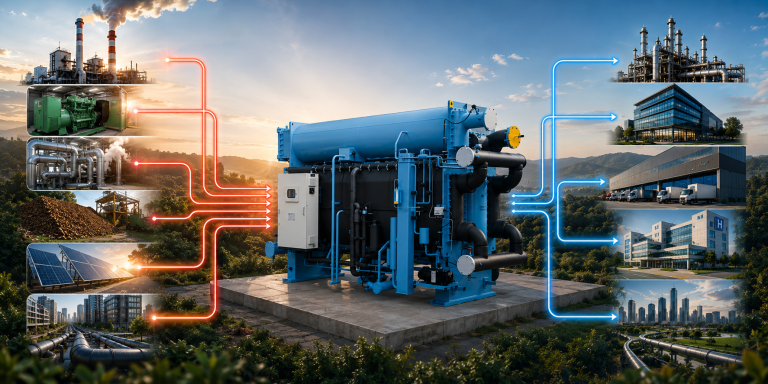
Chillers that produce chilled water from heat sources: hot water, steam, gas or exhaust gas, from 17.6 kW to over 8 MW.
- Cooling capacity
- 17,6 – 8.122 kW
- Heating capacity
- 21 – 105 kW
- Manufacturers
- Yazaki, Thermax, and Robur
Technology
Ammonia-water (NH₃-H₂O) and lithium bromide (H₂O-LiBr) absorption thermodynamic cycles, and Type I and Type II absorption heat pumps.
Efficient cooling and heating can be based on different thermodynamic cycles that turn an energy source into a useful thermal output.
The choice of technology depends on factors such as the required temperature, the energy source available, the temperature level of the waste energy, the operating conditions and the characteristics of the installation.
At Absorsistem, with more than 20 years of experience, we work with two main families: absorption cycles, driven by thermal energy, and vapour compression cycles, driven by an electric compressor or a gas engine, applied to the efficient production of cooling and heating and the recovery of thermal energy.
| Technology | Driving energy | What it produces | Brands |
|---|---|---|---|
| NH₃-H₂O absorption | Gas (natural or LPG) | Chilled water, and hot water with an absorption heat pump | Robur |
| H₂O-LiBr absorption | Hot water, steam, exhaust gas or gas | Chilled water, and Type I and Type II absorption heat pumps | Yazaki, Thermax |
| Gas engine-driven compression | Gas | Chilled water and hot water, with engine heat recovery | Aisin |
| High-temperature electric compression | Electricity | Hot water (at high temperature) and chilled water; waste heat recovery | Oilon, Enerblue |
The absorption refrigeration cycle produces cooling from a supply of thermal energy, replacing the mechanical compressor of conventional compression cycles with a thermochemical system made up mainly of a generator, an absorber, a solution pump and heat exchangers.
The thermodynamic principle is based on a refrigerant-absorbent pair. The refrigerant evaporates at low pressure to absorb heat and produce cooling. It is then absorbed by the absorbent, and the resulting solution is pumped to a higher pressure. Heat supplied in the generator separates the refrigerant again and closes the cycle.
This configuration allows thermal energy to be used as the driving energy, including heat sources that cannot be used directly in a conventional compression cycle.
The main working pairs used in absorption refrigeration are:
NH₃ – H₂O cycle (ammonia – water).
H₂O – LiBr cycle (water – lithium bromide).
1.1. NH₃ – H₂O absorption cycle (ammonia – water)
In the NH₃ – H₂O system, ammonia (NH₃) acts as the refrigerant and water (H₂O) as the absorbent.
Because the refrigerant is not limited by the freezing of water, the cycle can produce cooling at both positive and negative temperatures, and can also produce heat in absorption heat pump mode. It operates at pressures above atmospheric and can reject heat directly to the air.
The process takes place in the following stages:
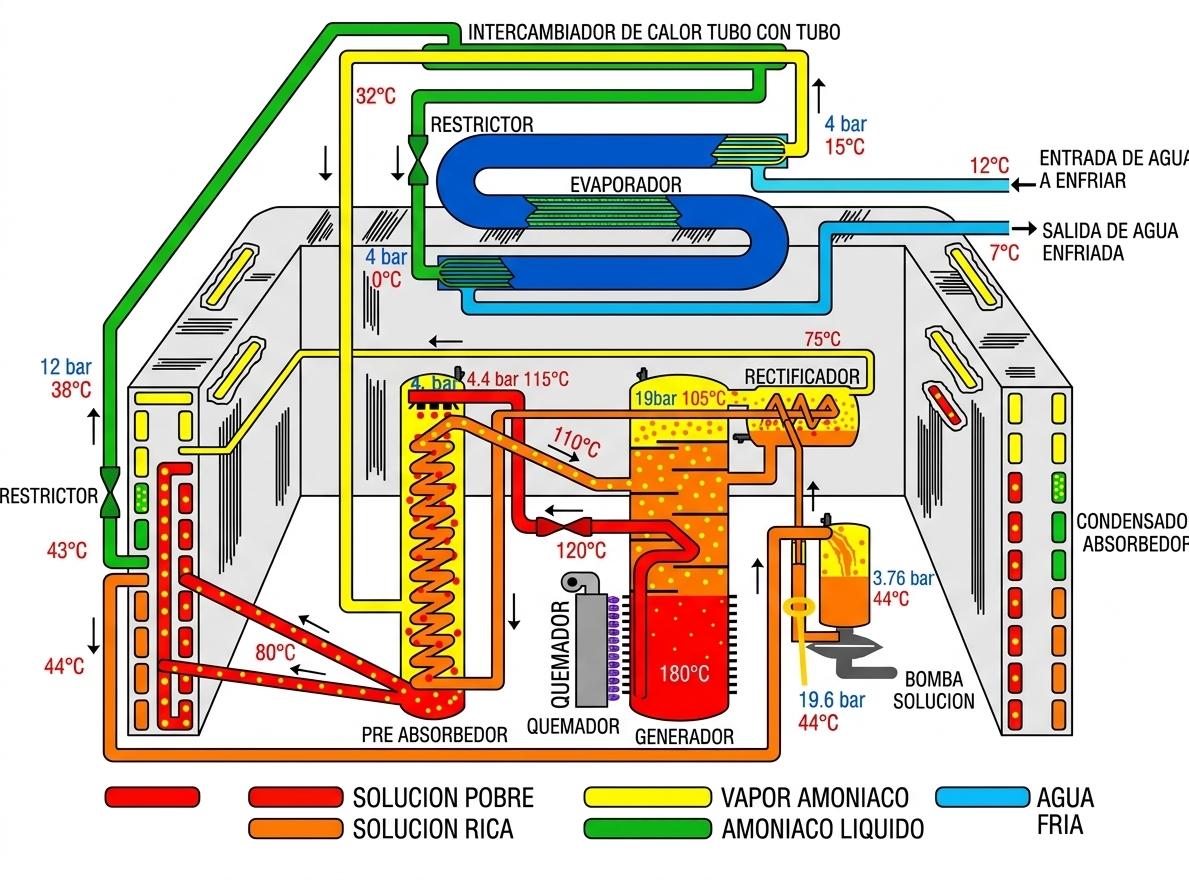
The ammonia-rich solution receives thermal energy in the generator. The heat supplied separates the ammonia from the water.
The ammonia vapour leaving the generator may contain small amounts of water. The rectifier reduces this before the refrigerant reaches the condenser, improving the purity of the ammonia.
The high-pressure ammonia gives off heat to the heat rejection medium and condenses into a liquid.
The liquid refrigerant passes through the expansion device, which lowers its pressure and temperature.
The low-pressure ammonia absorbs heat from the circuit to be cooled and evaporates. This is where the useful cooling effect is produced.
The ammonia vapour from the evaporator enters the absorber and is absorbed by the water. Absorption releases heat, which must be removed to keep the cycle at the right conditions.
The ammonia-rich solution is pumped back to the generator, closing the circuit.
The weak solution in the generator returns to the absorber, giving off heat to the rich solution, and its pressure is reduced by a valve.
In cooling mode, the cycle extracts heat from a cold source and transfers it to a higher-temperature sink.
In absorption heat pump mode, the heat given off in the absorber and the condenser is the useful heat, delivered at a temperature between that of the cold source and that of the driving heat. This is the principle of gas absorption heat pumps that take energy from the air, water or the ground.
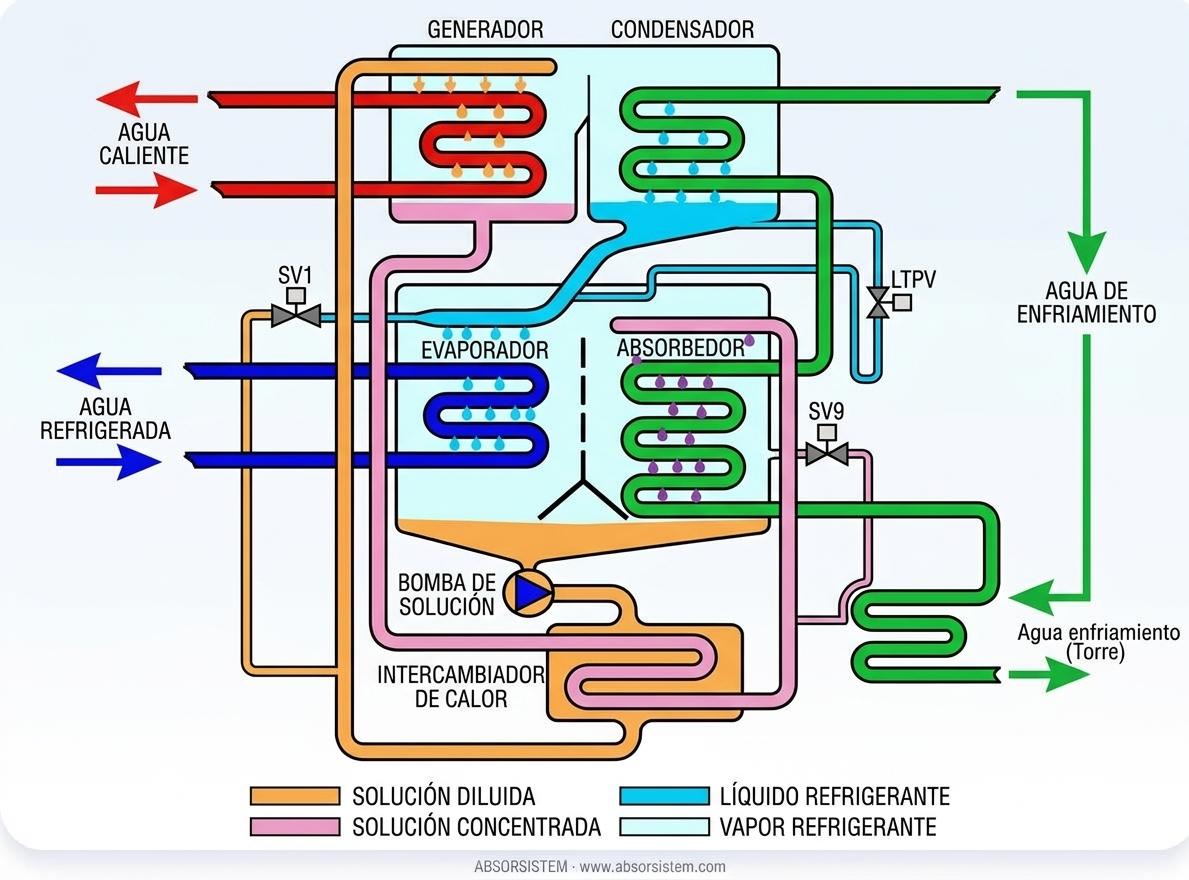
In the H₂O – LiBr system, water acts as the refrigerant and lithium bromide (LiBr) as the absorbent. The circuit operates under vacuum: the water evaporates at very low pressure and temperature and absorbs heat from the chilled water circuit.
The refrigerant evaporates at very low pressure and temperature to absorb heat from the circuit to be cooled. The water vapour produced is then absorbed by a concentrated lithium bromide solution.
Unlike the H₂O-NH₃ cycle, water is the refrigerant, so the operating conditions of the evaporator determine the range of cooling temperatures the system can produce.
The LiBr solution receives thermal energy. Heating separates the refrigerant water from the absorbent.
The water vapour from the generator gives off heat to the heat rejection circuit and condenses.
The liquid water’s pressure is reduced before it enters the evaporator.
At low pressure, the water evaporates at a low temperature and absorbs heat from the chilled water circuit, producing the cooling effect.
The water vapour from the evaporator is absorbed by the lithium bromide solution. This process releases heat, which must be removed through the heat rejection circuit.
The dilute solution is pumped back to the generator, raising its pressure to continue the cycle.
The concentrated solution returns from the generator to the absorber, giving off heat to the dilute solution. This closes the cycle.
The main feature of the LiBr-H₂O cycle is that it produces chilled water using thermal energy as the main driving energy of the refrigeration cycle, reducing the need for the electricity associated with mechanical compression.
In a single-effect configuration, the generator receives the driving thermal energy directly and there is a single main refrigerant generation stage.
This cycle can work with moderate-temperature heat sources, such as hot water (from 70ºC), superheated water or certain waste heat sources, with a COP of around 0.7 – 0.8.
Its relatively simple configuration makes effective use of available heat sources when temperature conditions do not justify a double-effect cycle.
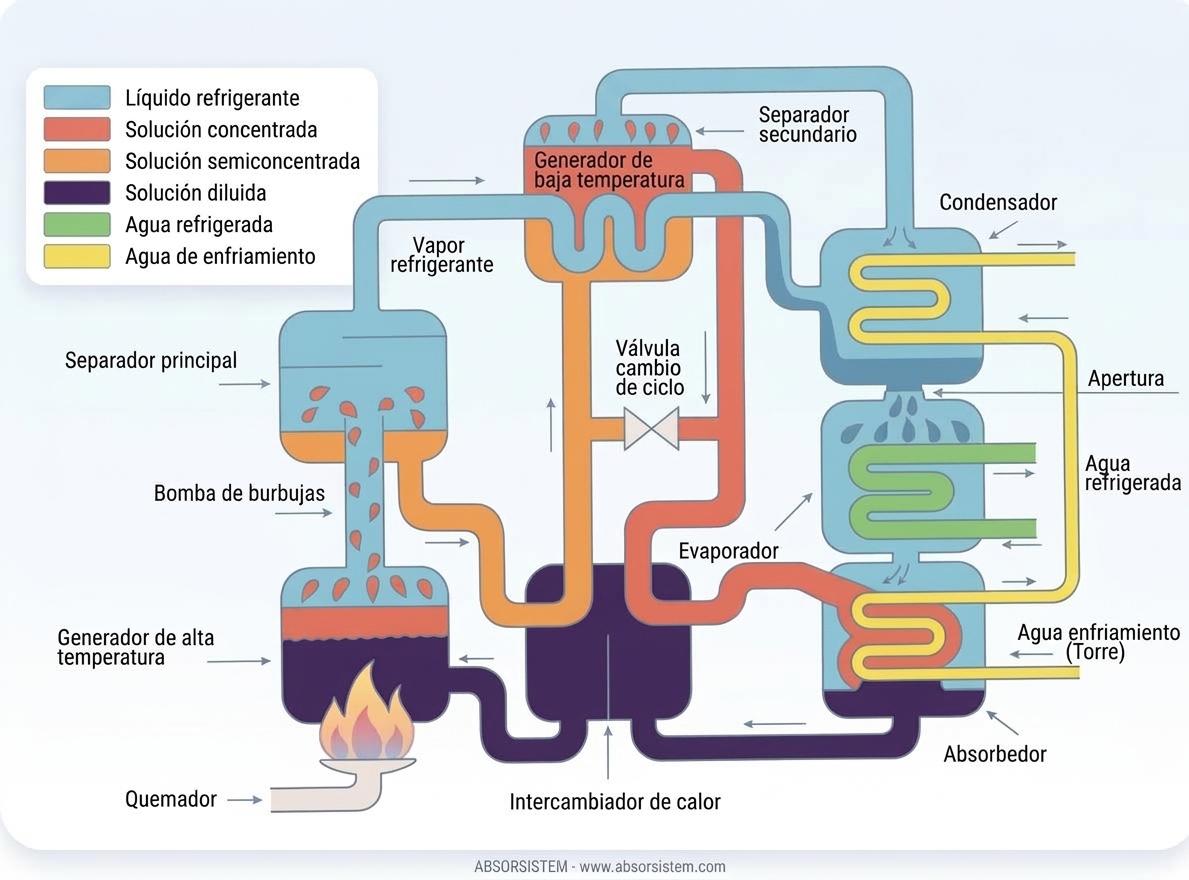
The double-effect cycle adds a second generation stage that makes more efficient use of the driving thermal energy.
The vapour produced in the first stage supplies thermal energy to a second generation stage, reducing the amount of external energy needed to produce the refrigerant.
This configuration achieves a higher thermal efficiency, with a COP of around 1.4 – 1.5, although it needs a higher-temperature driving source (steam, exhaust gas or direct gas firing).
The choice between single and double effect depends mainly on:
An absorption heat pump uses the absorption principle to transfer thermal energy between different temperature levels.
Instead of mainly using electricity to drive a mechanical compressor, the cycle uses thermal energy as its driving source.
Depending on the thermodynamic configuration, there are two main concepts: Type I and Type II absorption heat pumps.
A Type I heat pump uses a driving heat source and a lower-temperature heat source to produce useful heat at a higher temperature.
Put simply:
Driving thermal energy + source heat → useful heat at a higher temperature
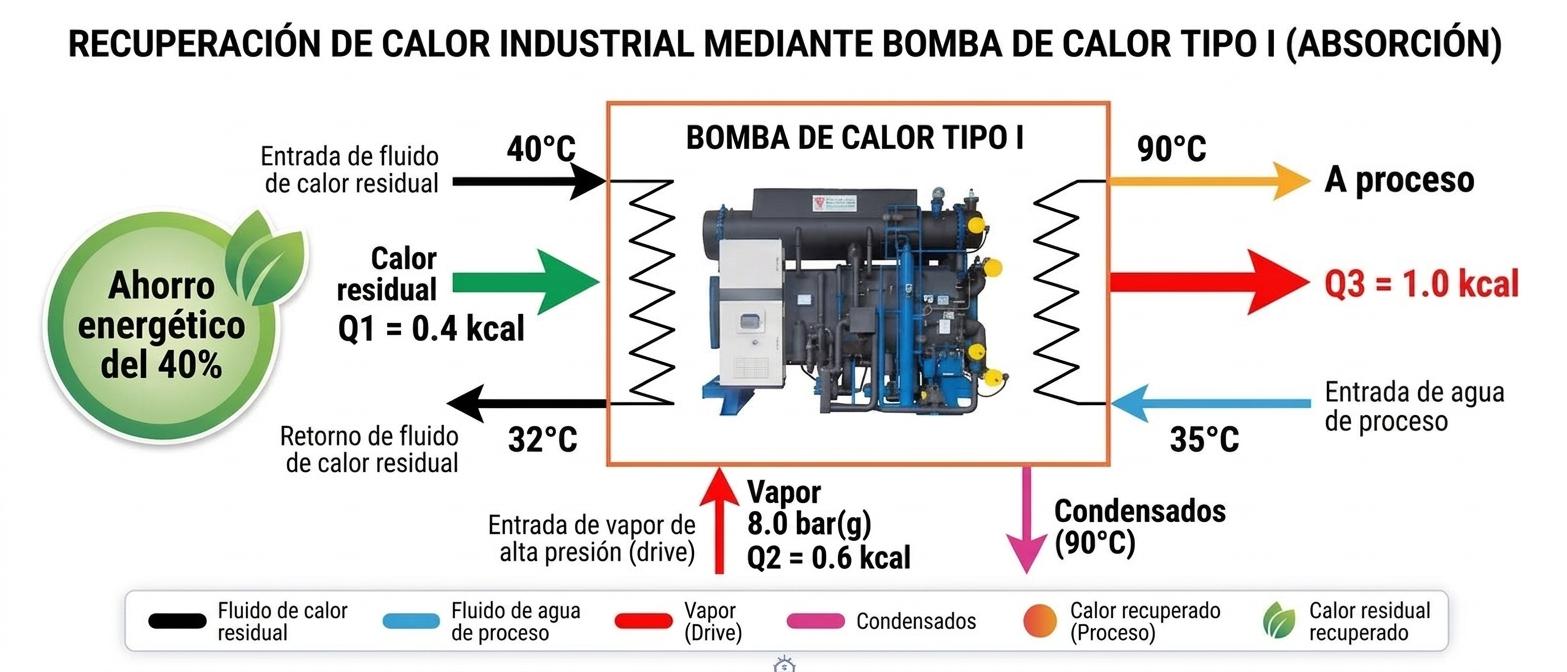
This principle makes it possible to recover thermal energy and raise its temperature for later use.
A Type II heat pump, also called a heat transformer, uses heat available at high temperature to obtain part of that energy at an even higher temperature.
Put simply:
Heat available at high temperature → temperature lift → useful heat at a higher temperature
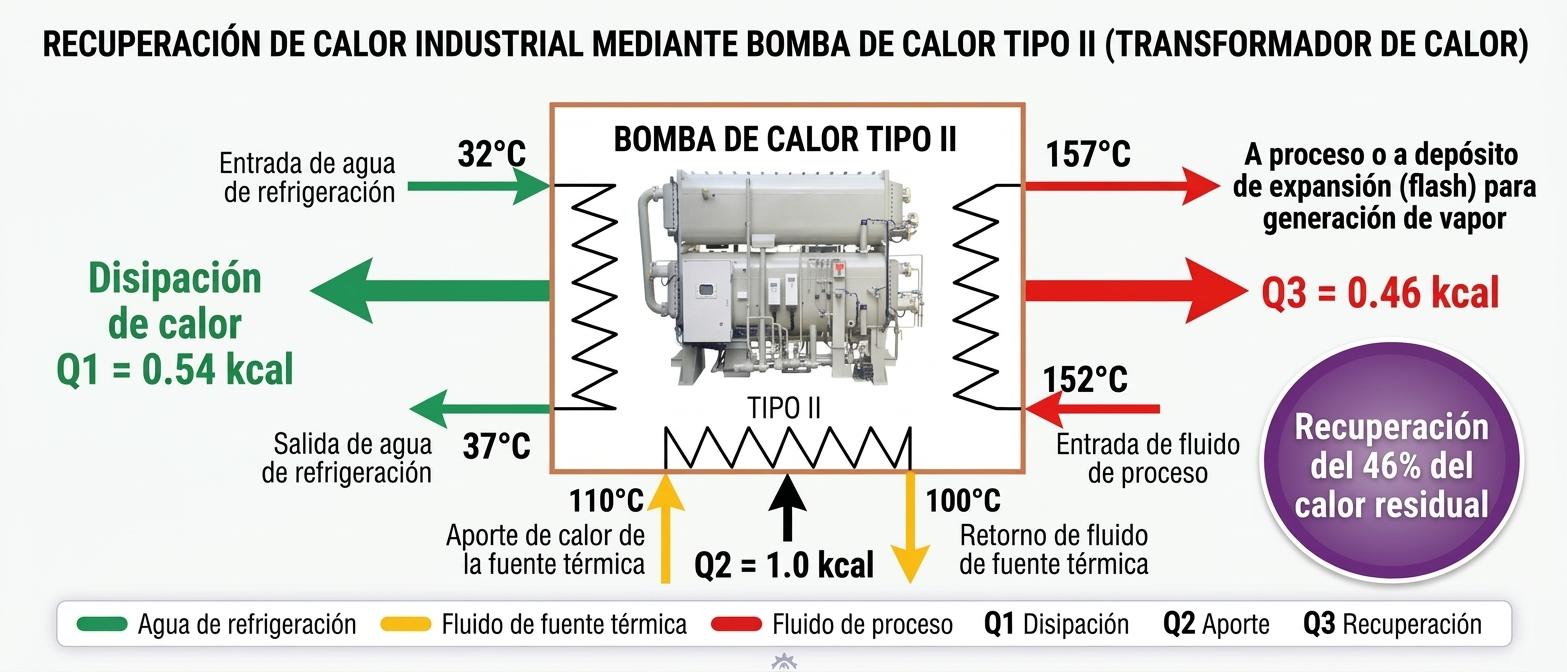
The difference between the two concepts is key to deciding which configuration can make better use of an available heat source, depending on its temperature and the useful heat required.
Equipment
Chillers that produce chilled water from heat sources: hot water, steam, gas or exhaust gas, from 17.6 kW to over 8 MW.
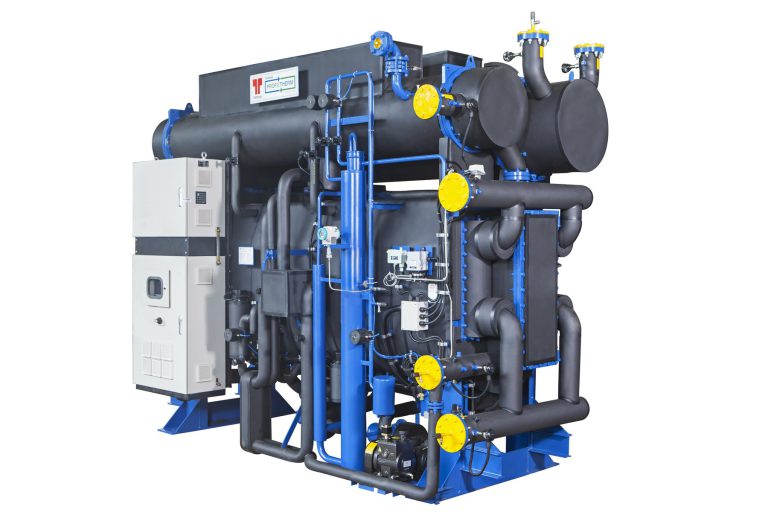
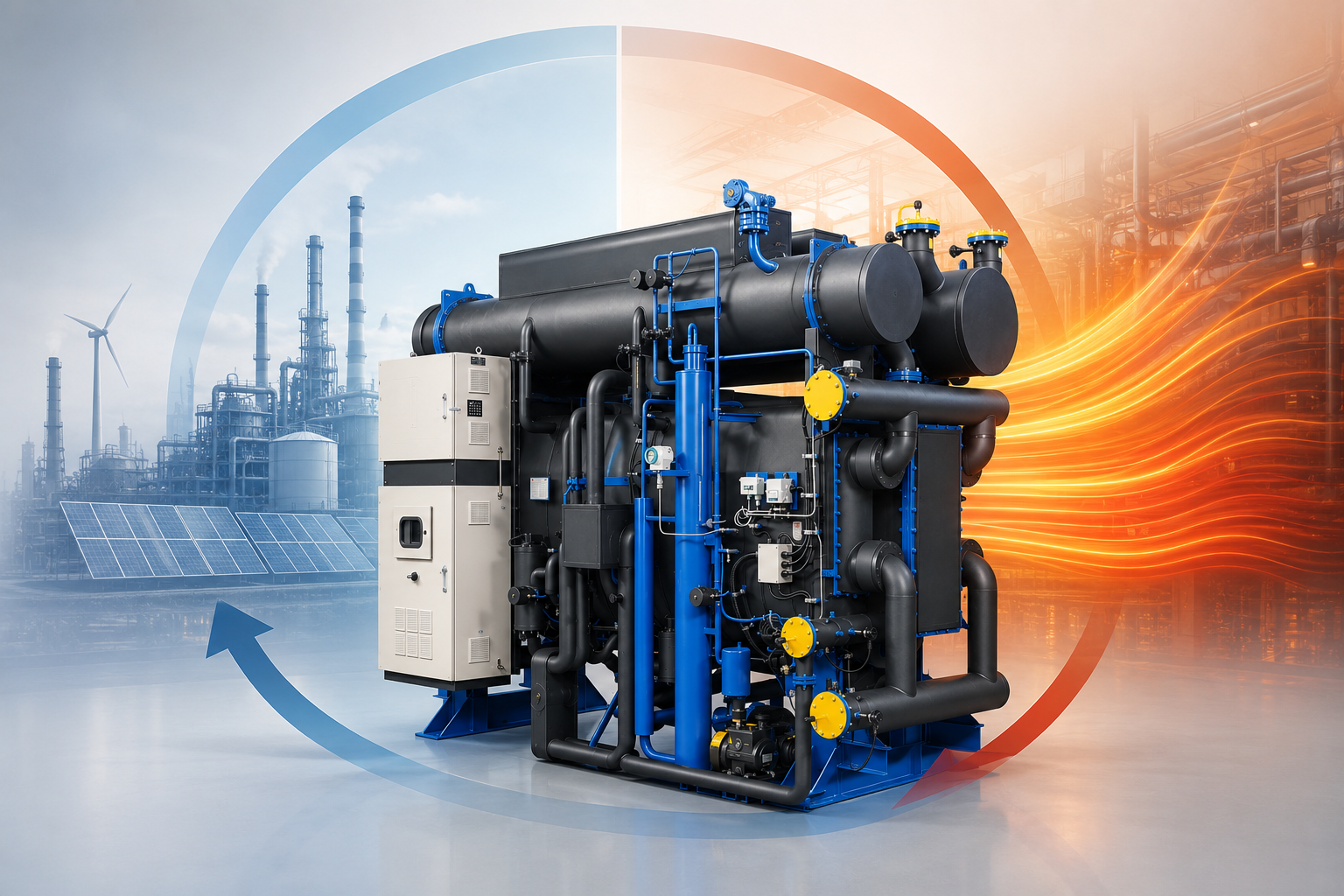
Thermax absorption heat pumps that recover waste heat and turn it into process hot water or steam, from 500 kW to 40 MW.
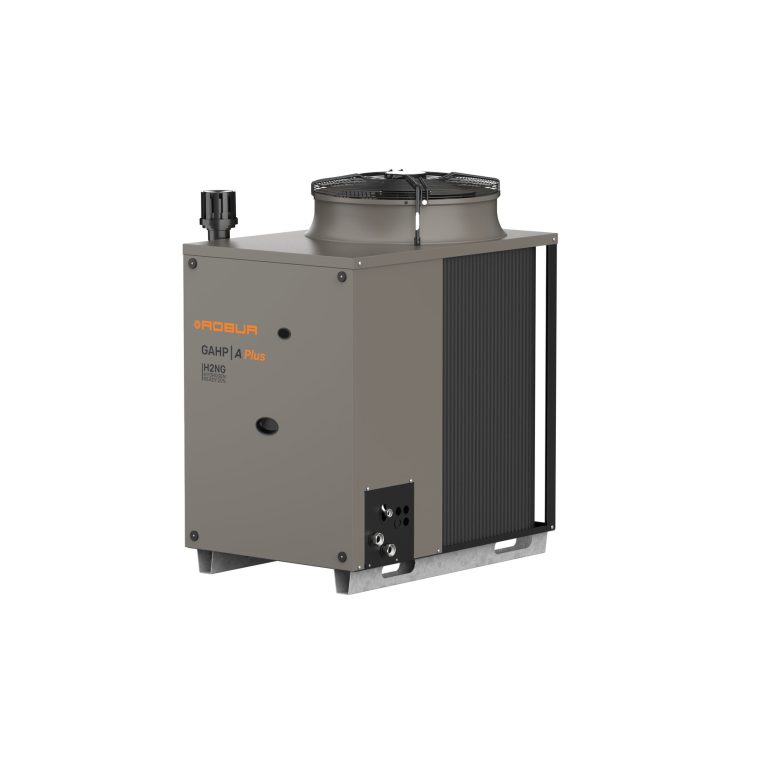
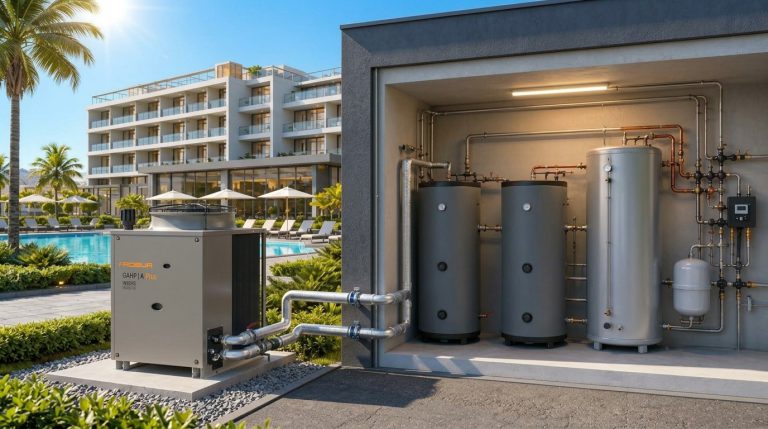
Heat pumps that use natural gas or LPG for heating, DHW and cooling, with minimal electricity consumption.
Applications
Projects

District heating with ROBUR air-source gas heat pumps on the Mas Sallent estate

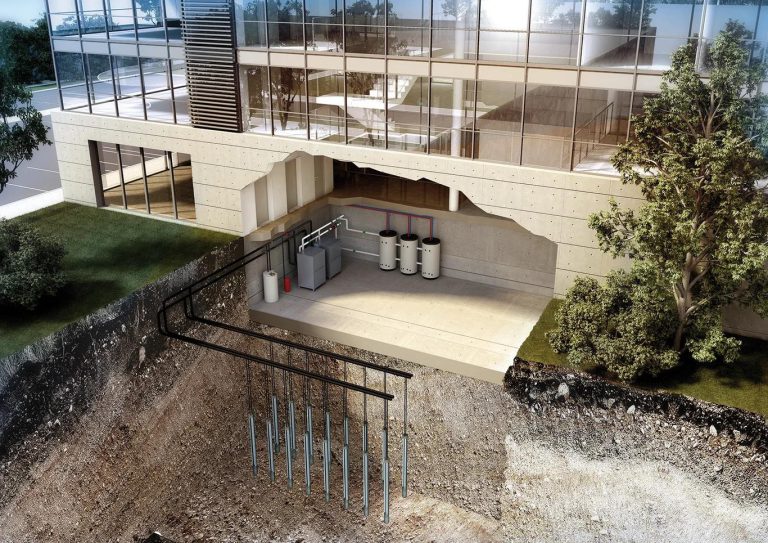
La Ventajola housing development (La Cerdanya). Gas-fired ground-source heat pumps for heating and DHW.
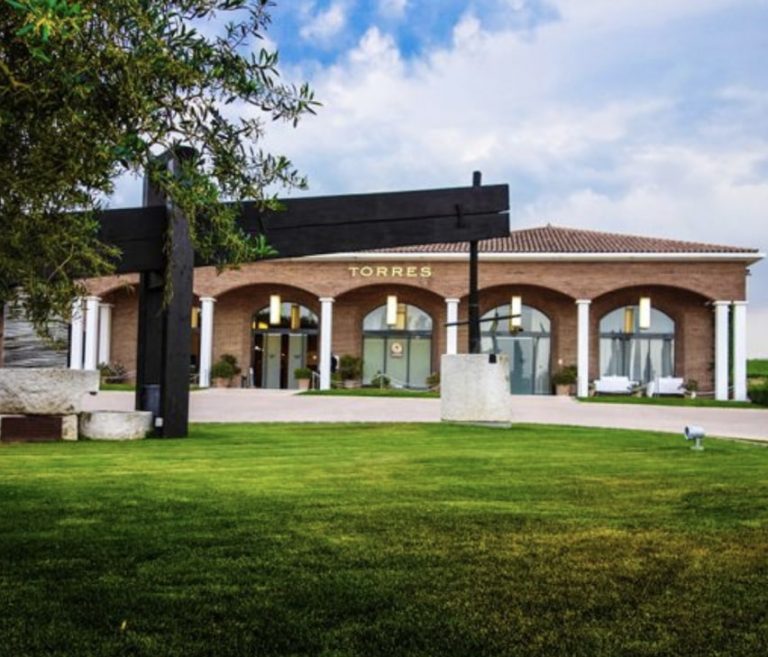
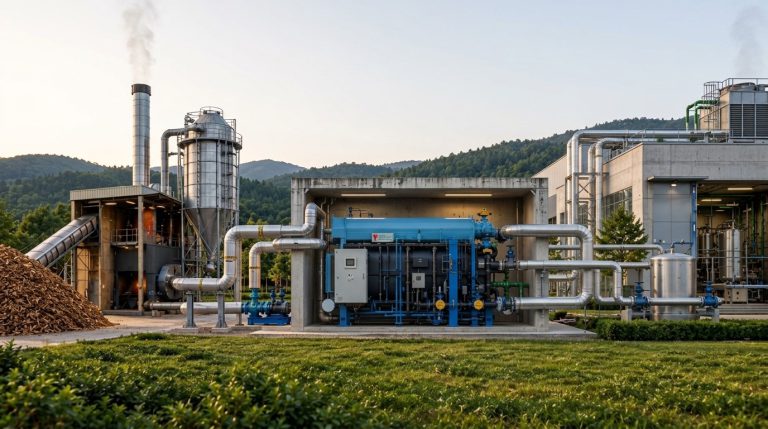
Cooling with a biomass steam boiler and a Thermax absorption chiller at Bodegas Miguel Torres
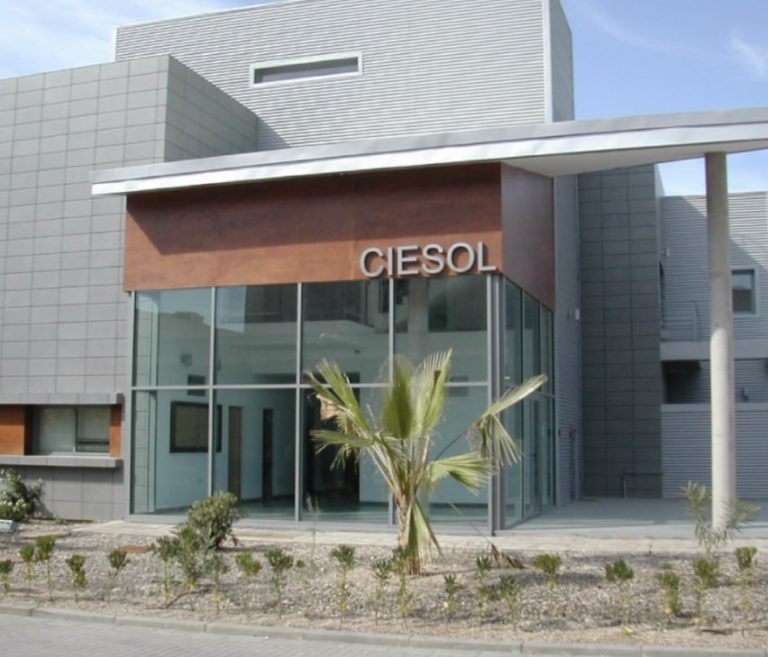
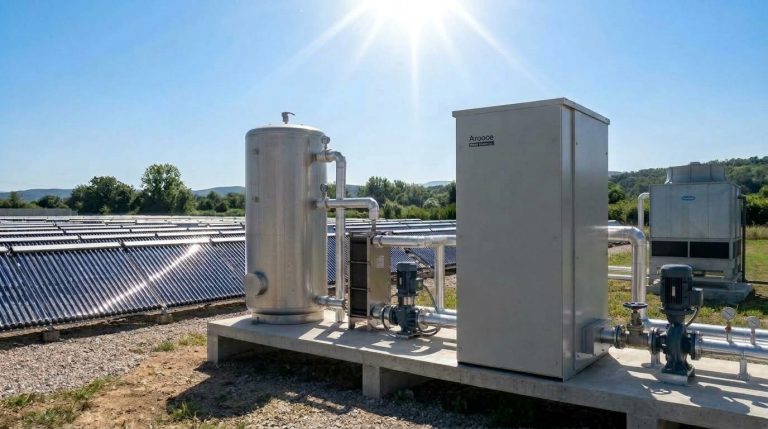
Solar HVAC system with an absorption chiller in the CIESOL building at the University of Almería
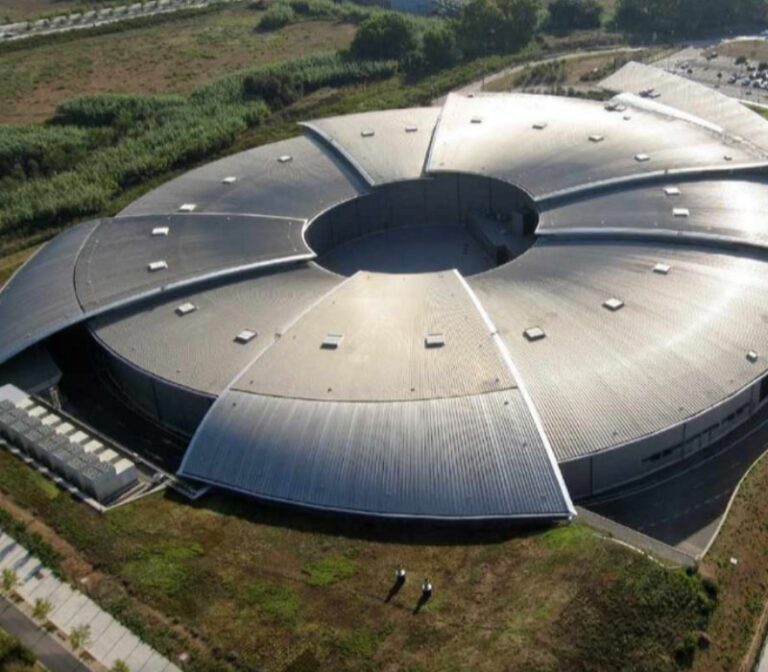
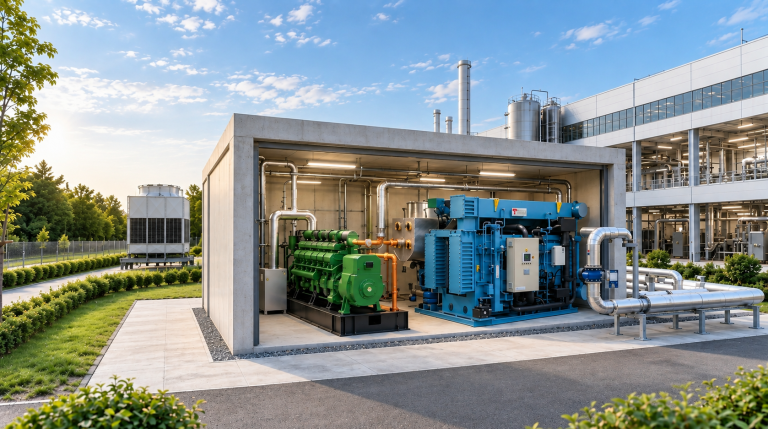
ST4 district heating & cooling with Thermax absorption chillers at Alba Technology Park, Cerdanyola del Vallès, Barcelona
We'll help you compare absorption, compression and cogeneration based on the energy available and the demand.


